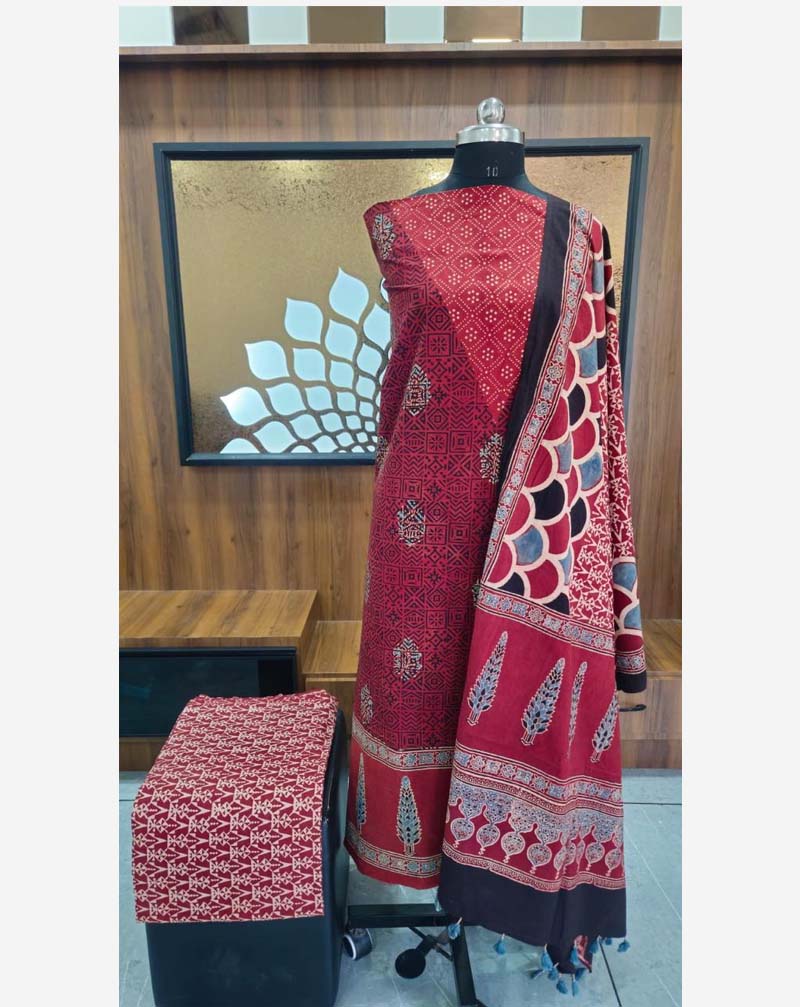
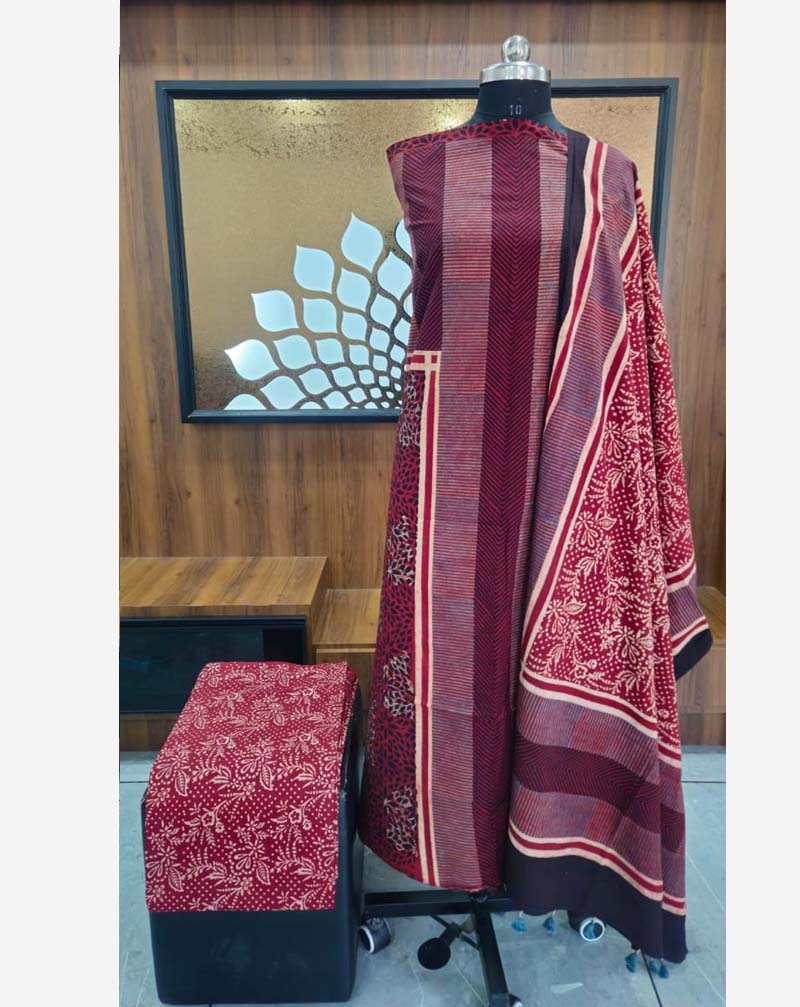
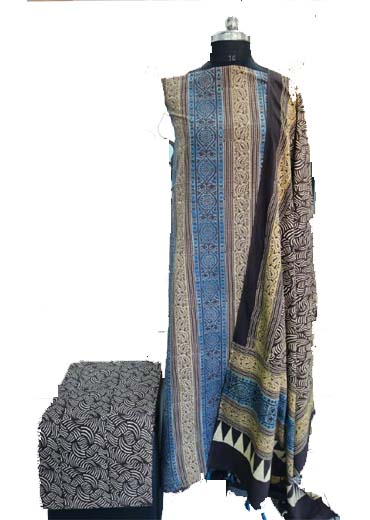
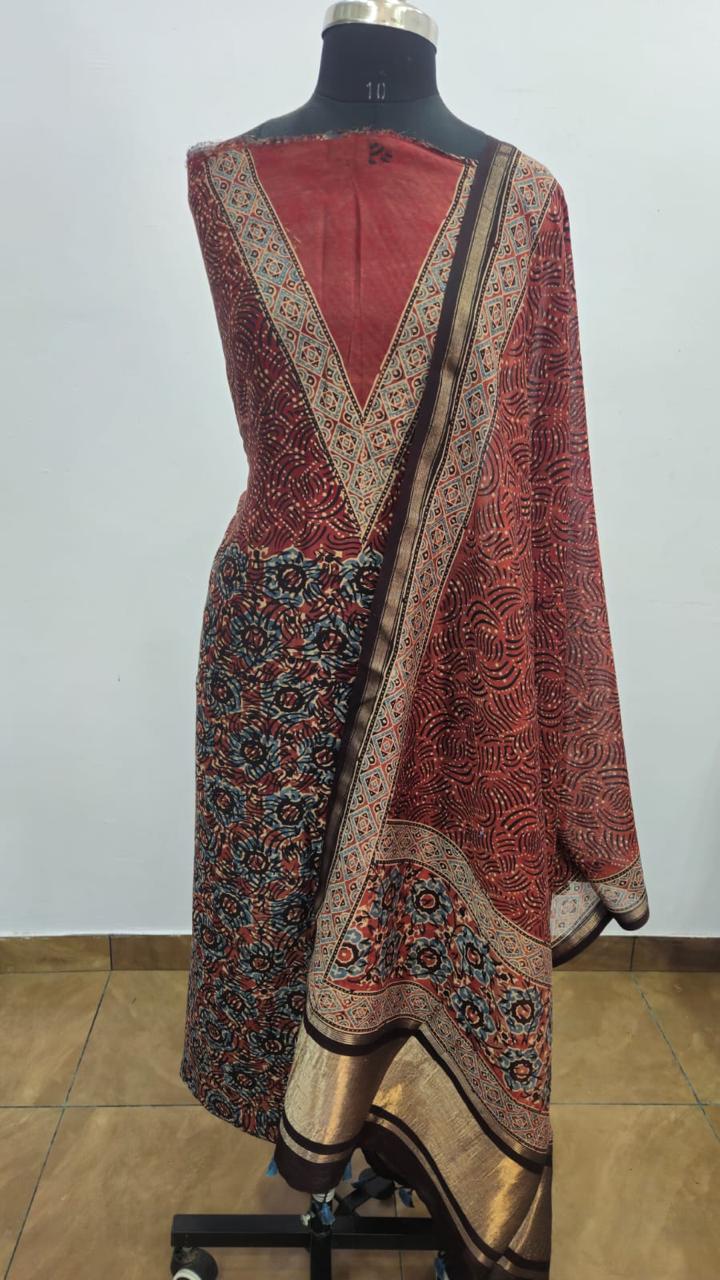
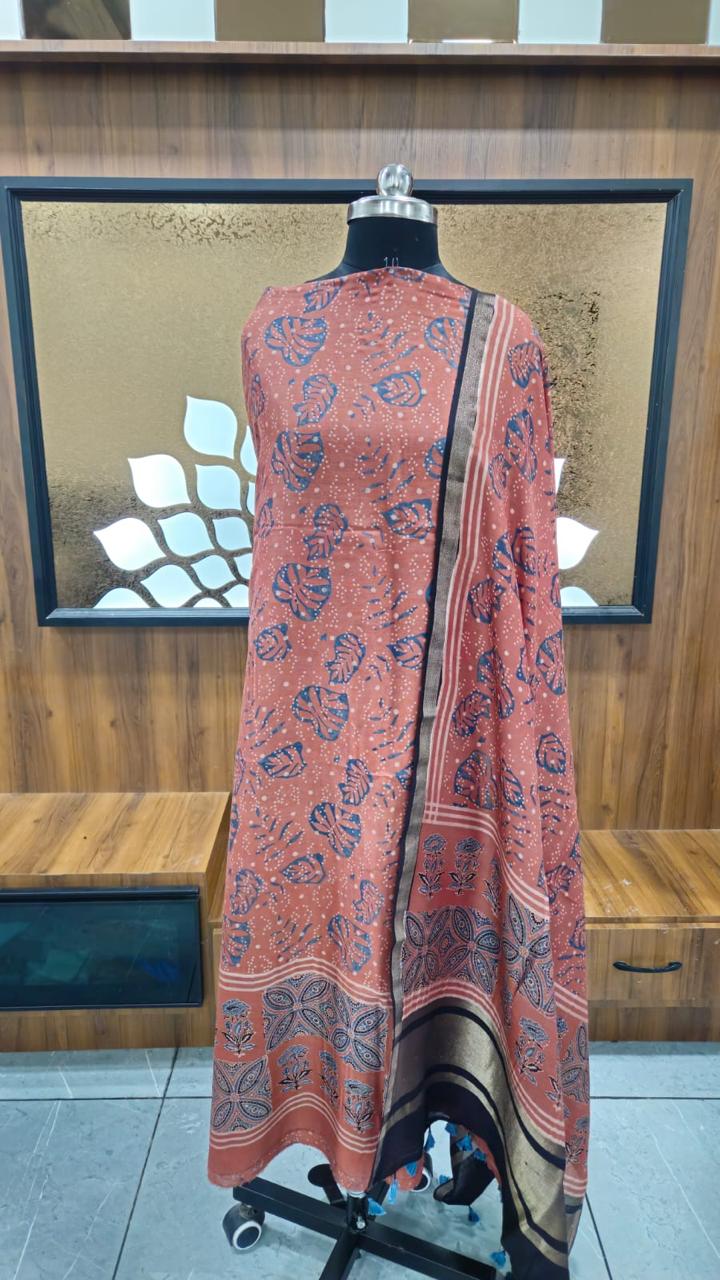
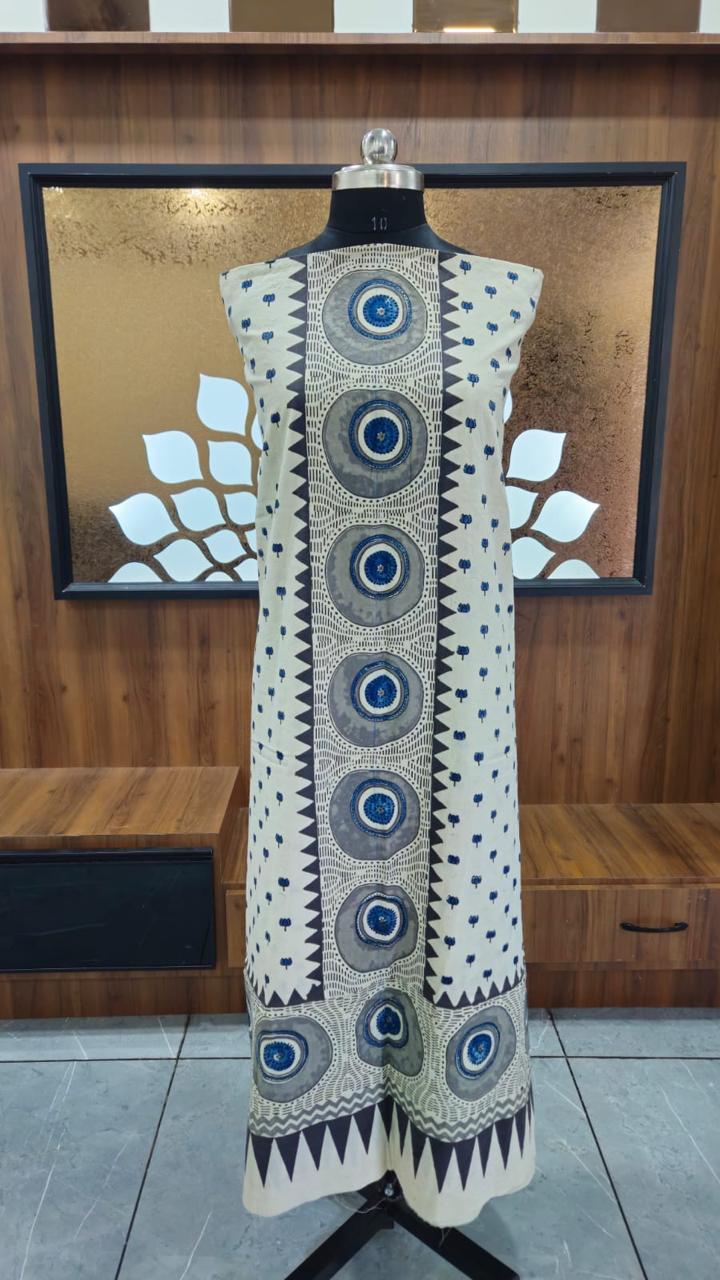
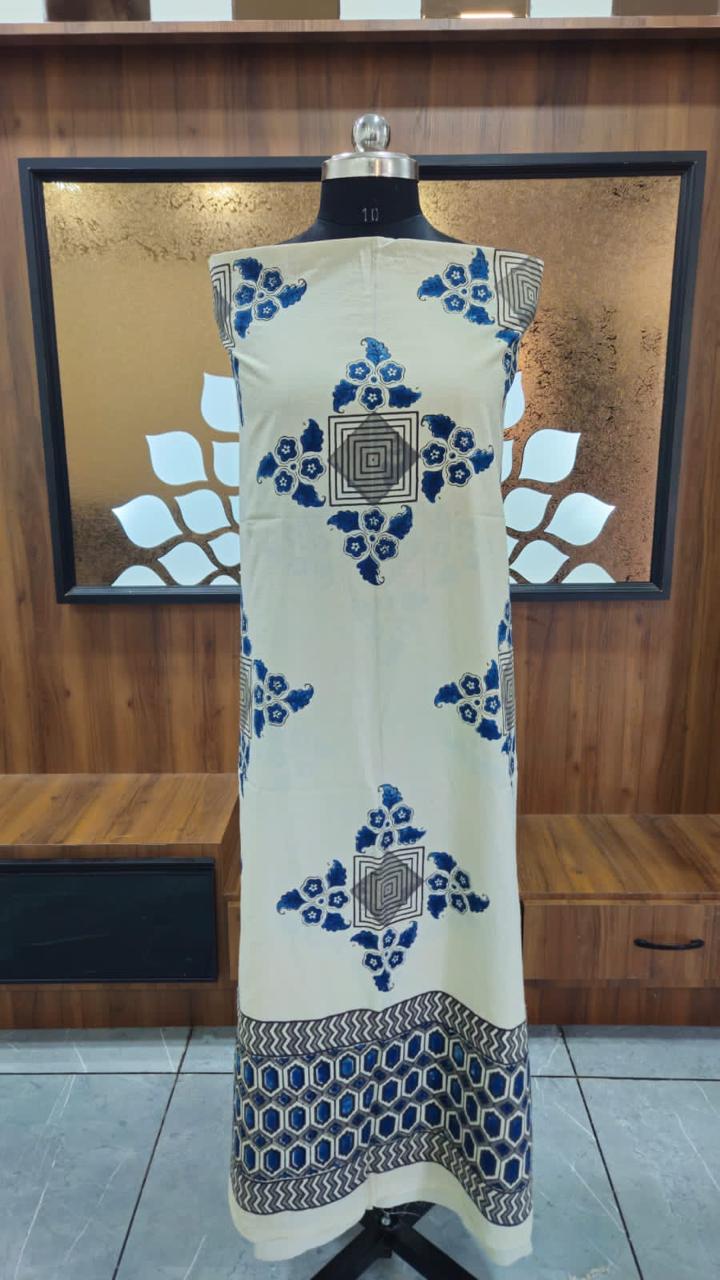
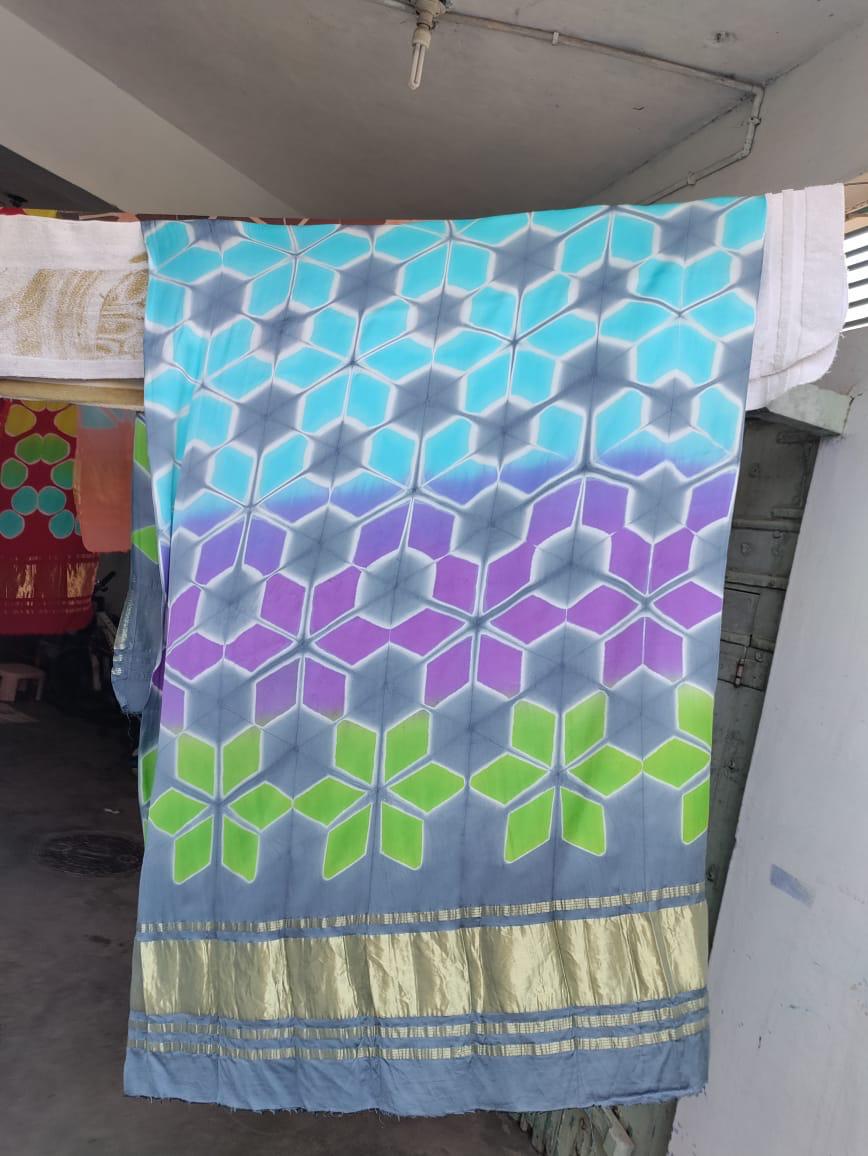
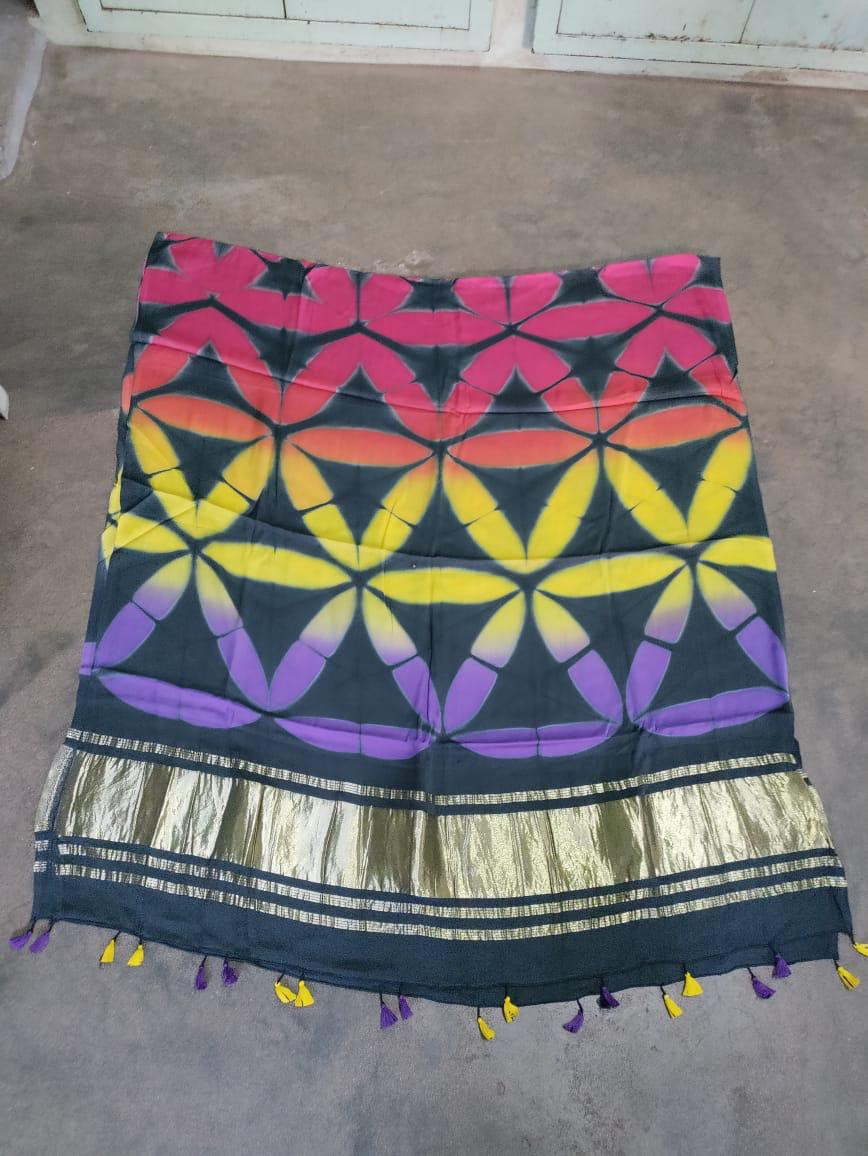
Ajrakh is one of the oldest block printing methods still practiced today, with roots tracing back to the Indus Valley Civilization. The colors and patterns of Ajrak are said to represent the universe, with red symbolizing the earth, black representing darkness, white representing clouds, and blue representing the sky. Ajrakh uses a resist-dyeing technique where a paste is applied to the fabric to prevent dye absorption in specific areas, creating intricate patterns. Traditionally, natural dyes like indigo (for blue), madder (for red), and pomegranate rind (for yellow) are used, requiring expert knowledge of their interactions with the fabric. Wooden blocks, often intricately carved by hand, are used to apply the resist paste and dyes to the fabric, creating repeating patterns.
While traditional motifs like the trefoil (three sun discs) are still used, contemporary Ajrakh designs incorporate a wider range of vibrant colors and natural elements like flowers, leaves, and stars. The process involves multiple stages of dyeing and printing, building up layers of color and design to achieve the final vibrant patterns..The fabric undergoes several washes to remove excess dye and resist paste, and is then dried in the sun to set the colors and patterns.
Bhujodi weaving and Rabbari
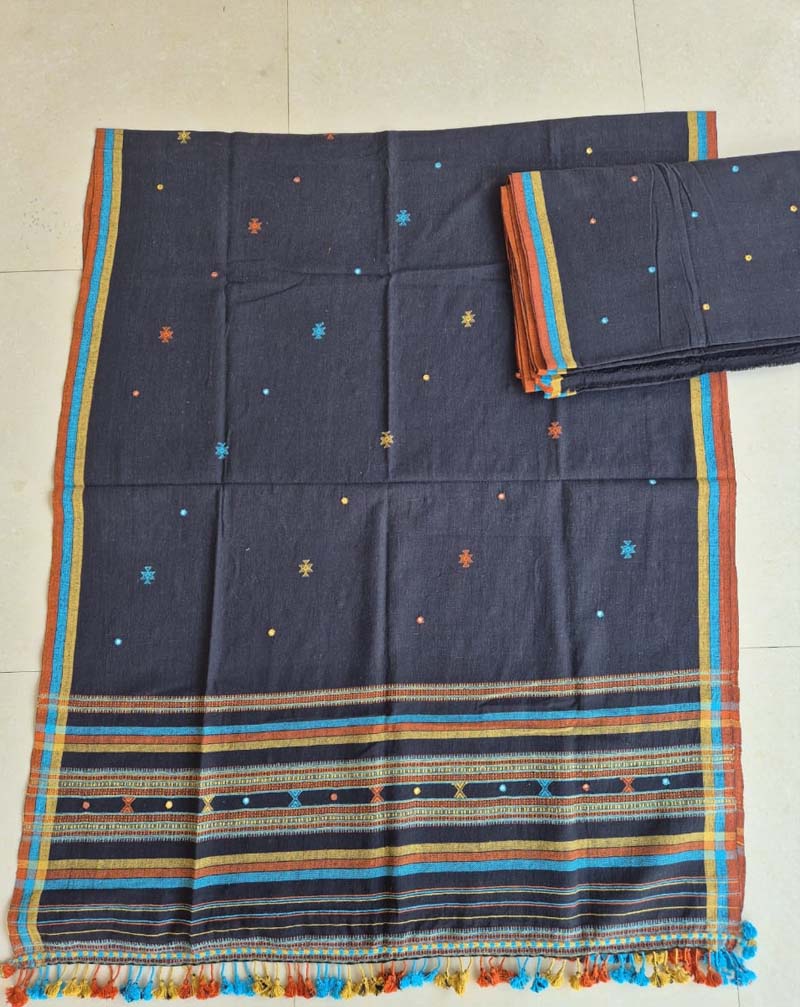
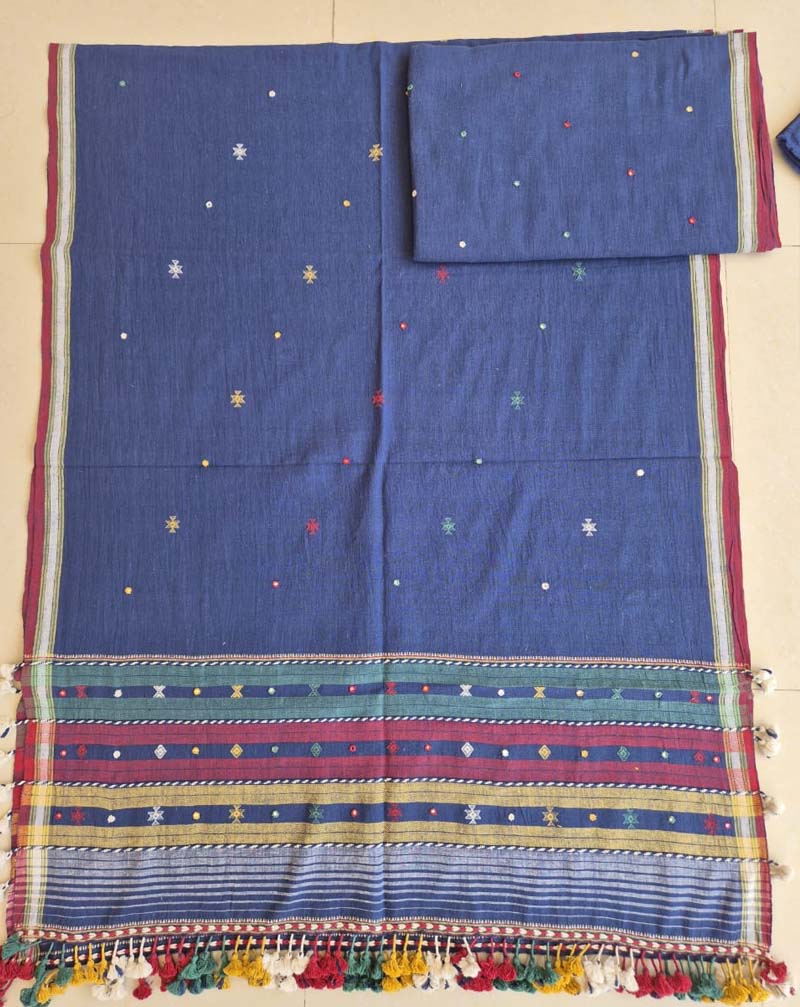
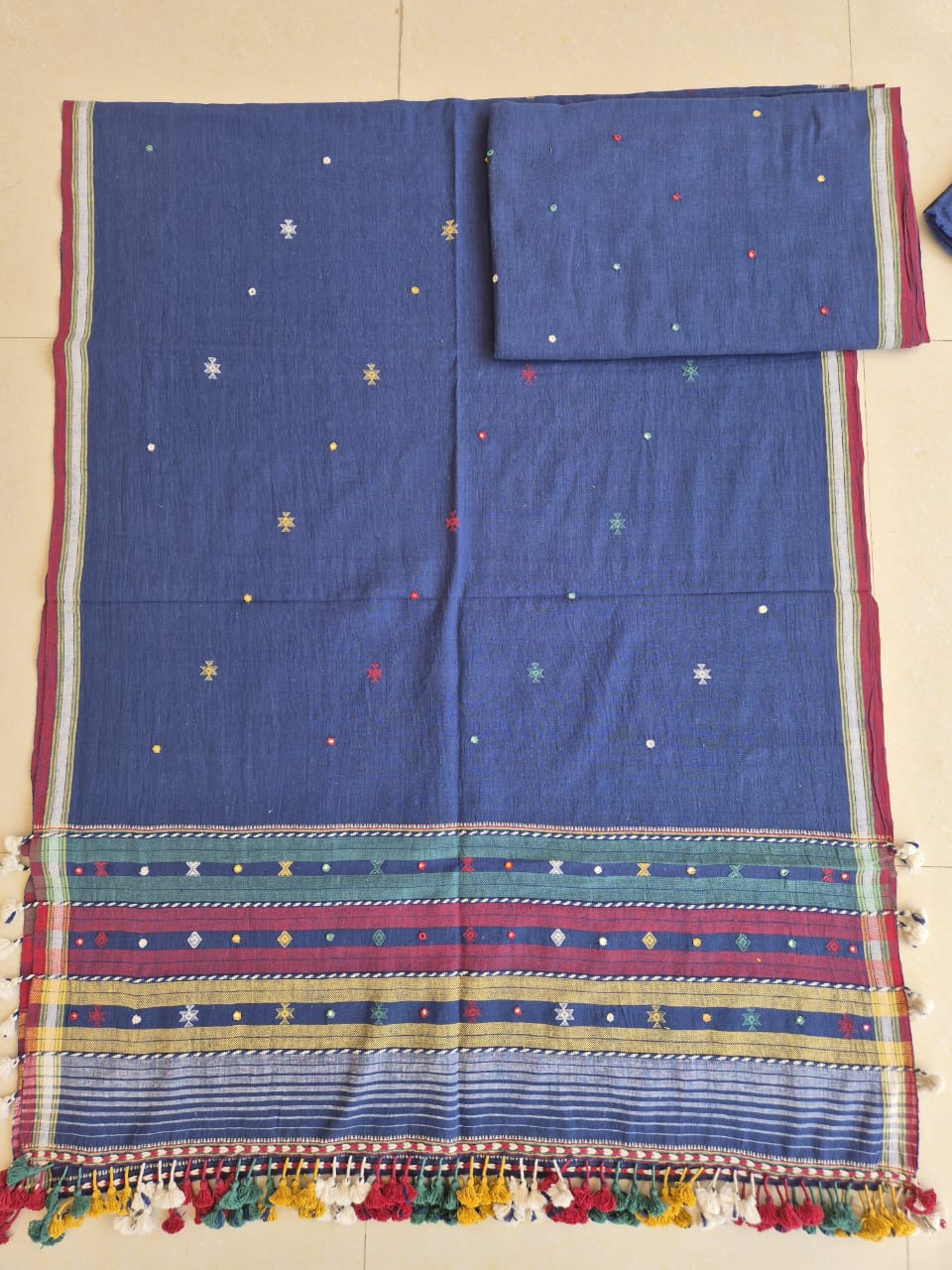
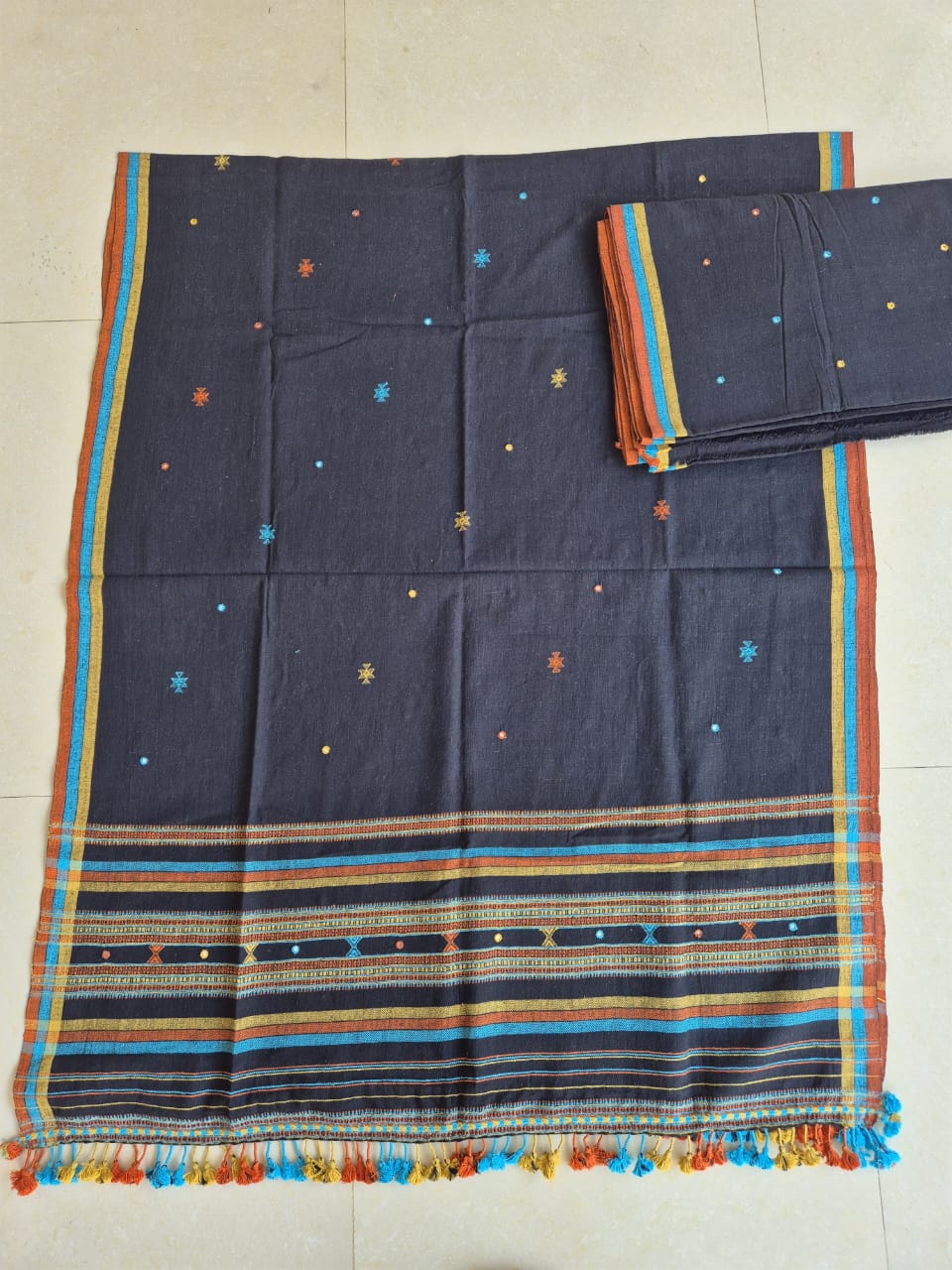
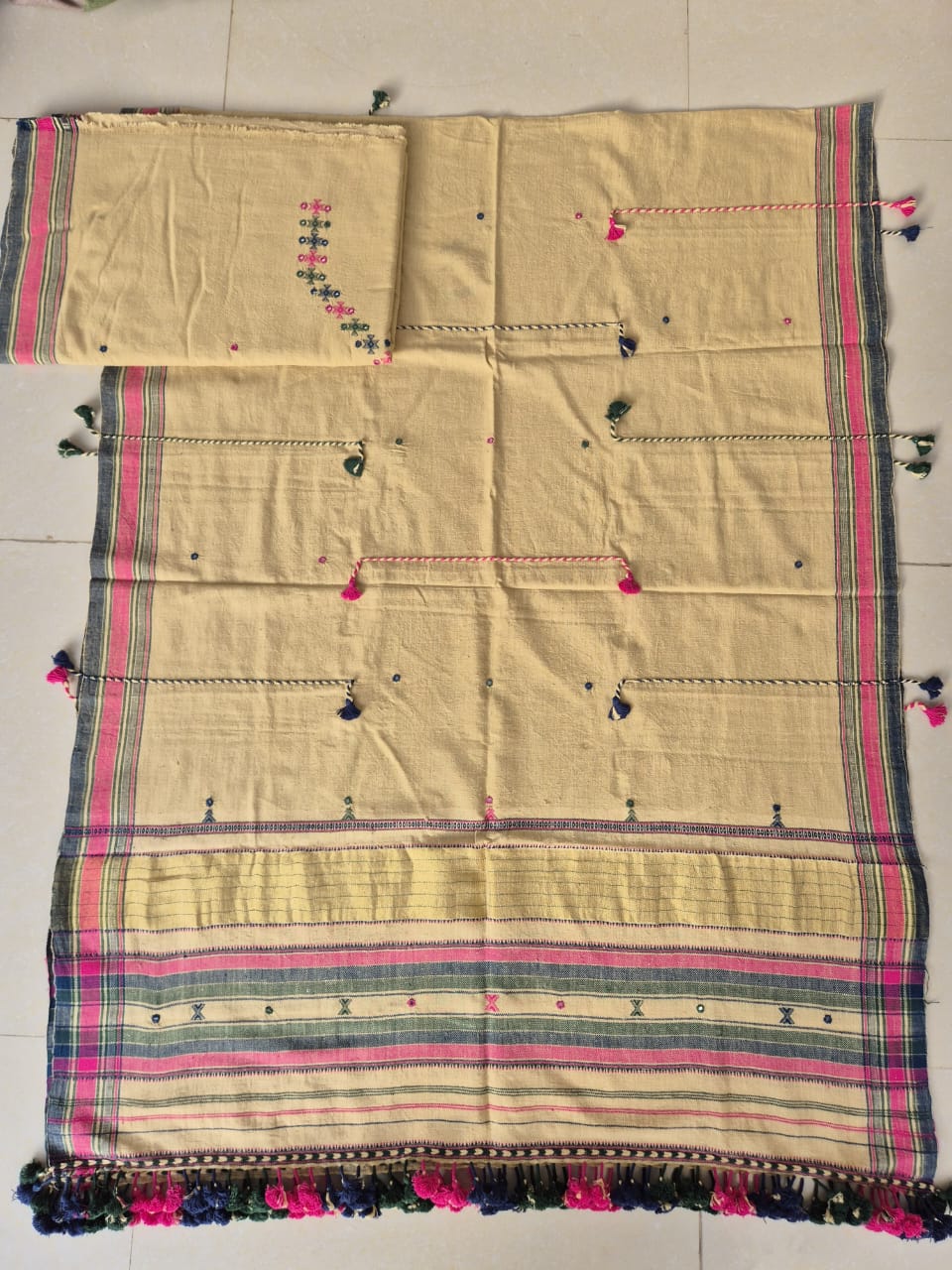
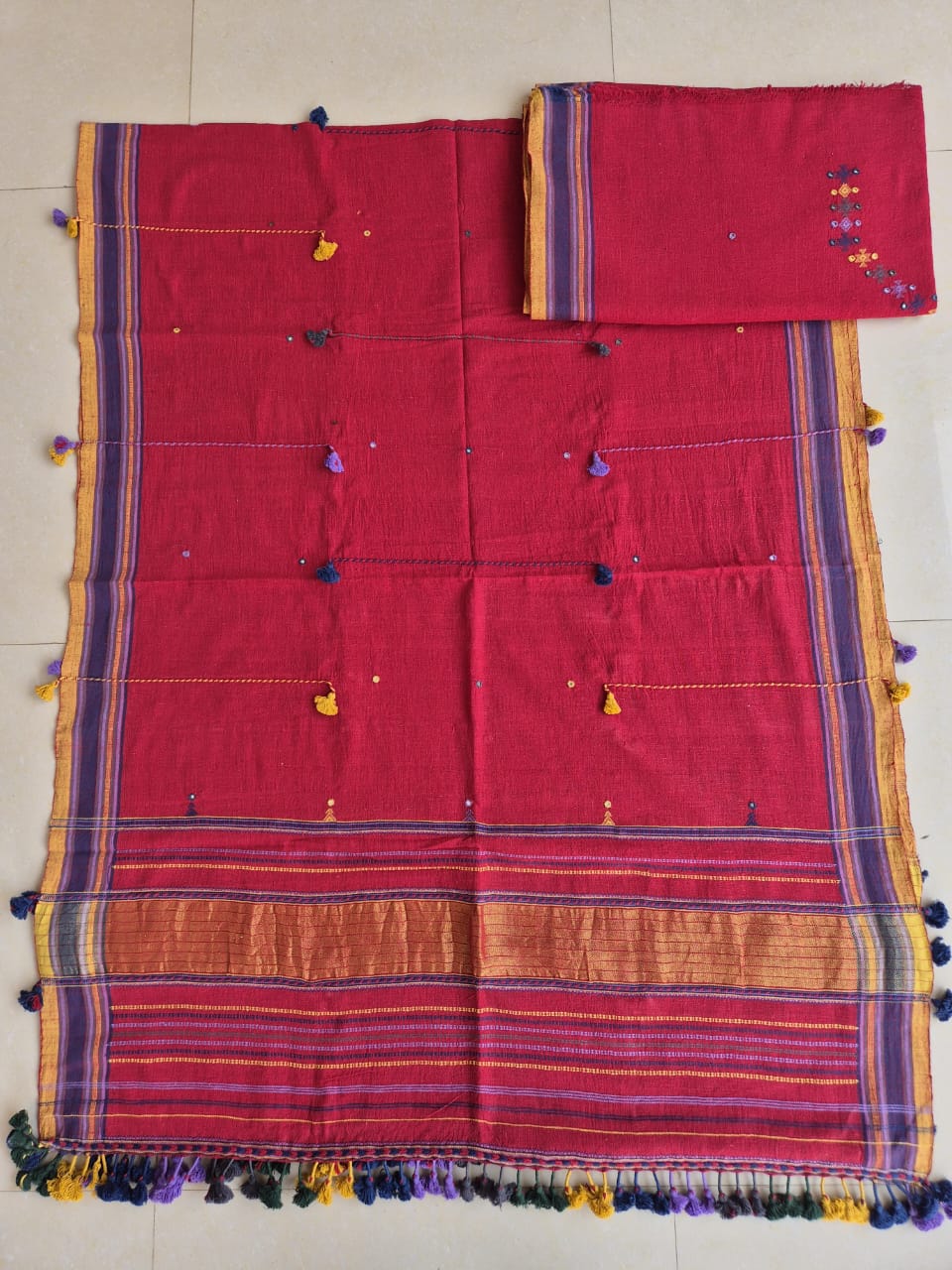
Bhujodi weaving and Rabbari mirror work are traditional crafts from the Kutch region of Gujarat, India, renowned for their vibrant designs and intricate craftsmanship. Both crafts are celebrated for their cultural significance and vibrant aesthetics, preserving age-old traditions through their distinctive techniques.
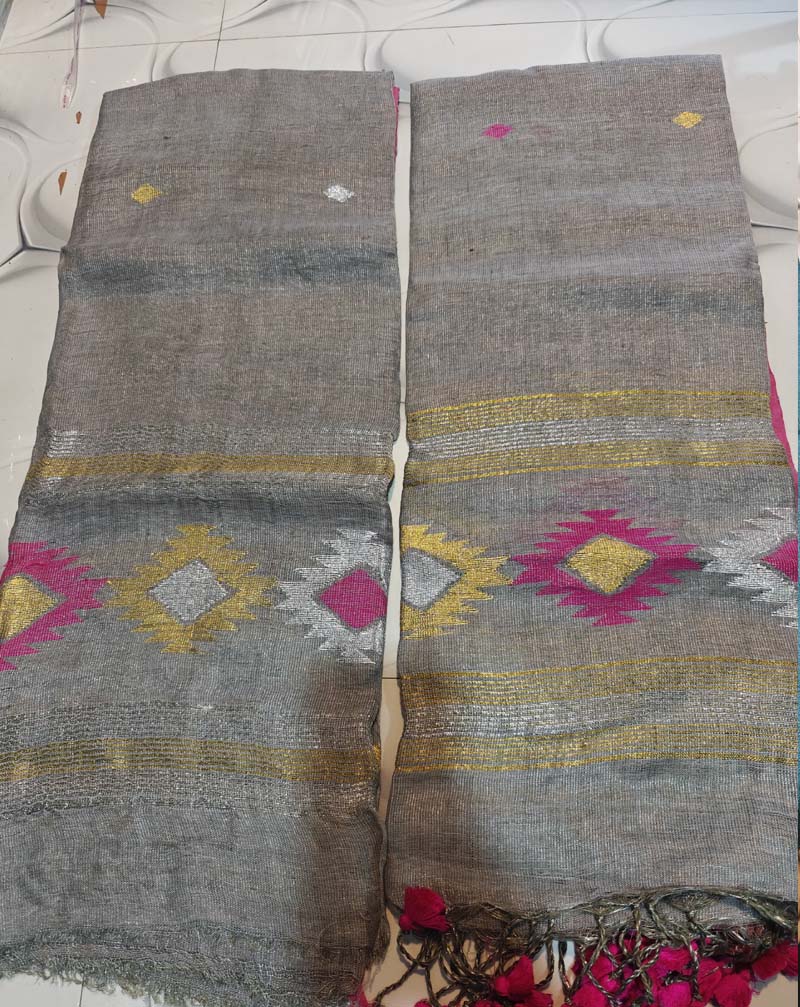
(a) Bhujodi Weaving: Originates from the town of Bhujodi in Kutch. Primarily involves handloom textiles woven on narrow looms. Uses natural fibers like cotton and wool.Features geometric patterns, floral motifs, and traditional designs often reflecting local culture and nature. Often utilized for fabric lengths, shawls, stoles, and blankets.
JAMDANI SUITS
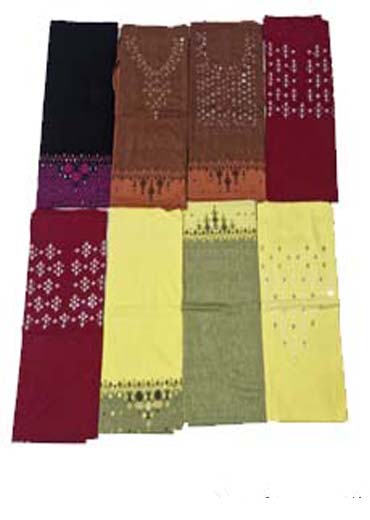
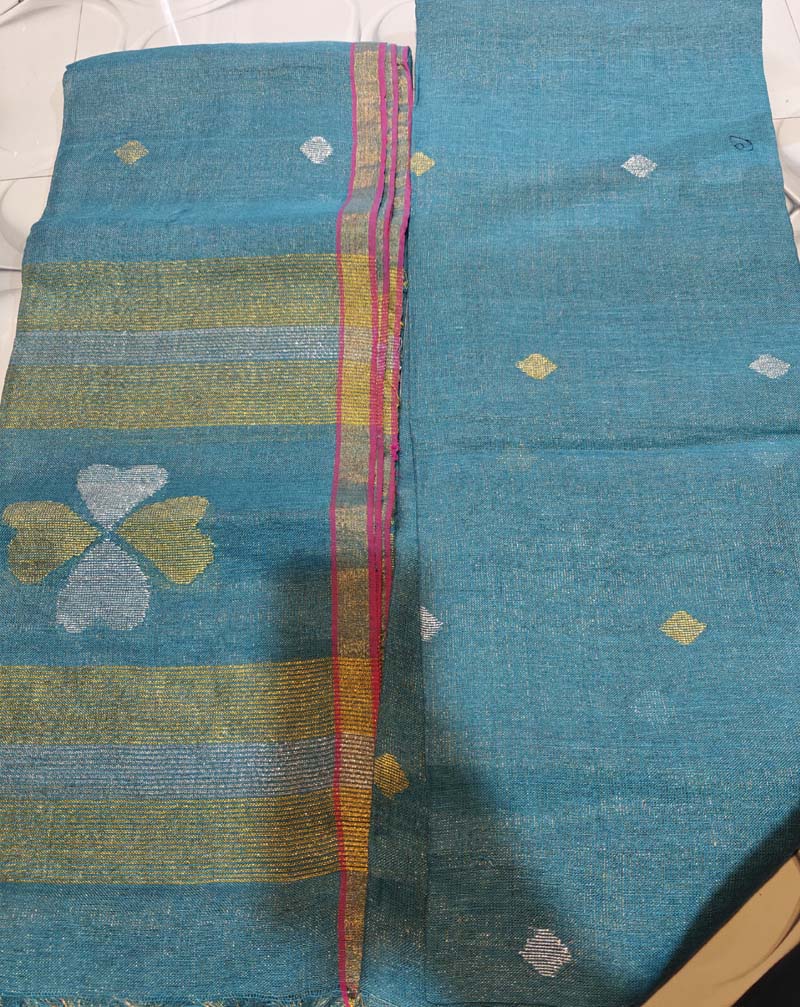
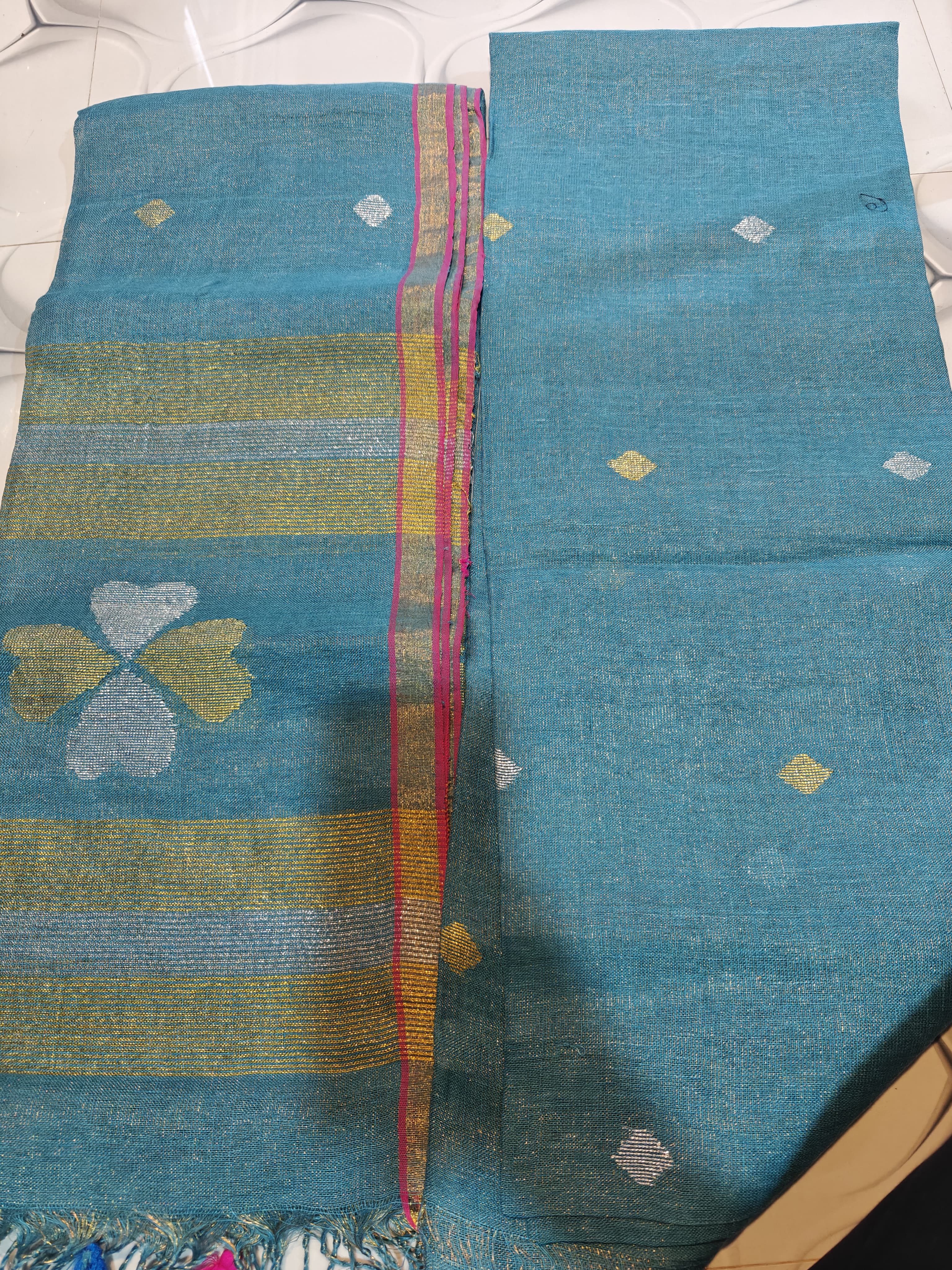
Jamdani is a fine, handwoven textile known for its intricate patterns and rich heritage. Originating in Bengal, it combines the art of weaving with embroidery-like design using a supplementary weft technique. Traditionally made with cotton, Jamdani is renowned for its airy texture and elaborate motifs. The motifs often feature nature-inspired elements like flowers, vines, and geometric shapes. Each design is meticulously woven by hand, taking weeks or even months to complete. Historically patronized by Mughal emperors, it symbolizes luxury and craftsmanship. Dhaka in Bangladesh remains a key center for authentic Jamdani production. It has received UNESCO recognition as an Intangible Cultural Heritage. Jamdani continues to evolve, finding place in modern fashion while preserving its legacy.
Jamdani weaving in West Bengal is centered around the town of Phulia in the Nadia district, a major hub for this heritage craft. Introduced and nurtured by weavers who migrated from Dhaka during the Partition, West Bengal’s Jamdani blends traditional techniques with regional aesthetics. The weaves are characterized by intricate motifs—floral, paisley, and geometric—woven into fine muslin-like cotton or silk. Bengal’s version often features brighter colors and innovative designs, making it popular in both traditional and contemporary wear. Unlike mechanized fabrics, each Jamdani saree here is handcrafted on a loom, requiring immense skill and patience.
Benarasi
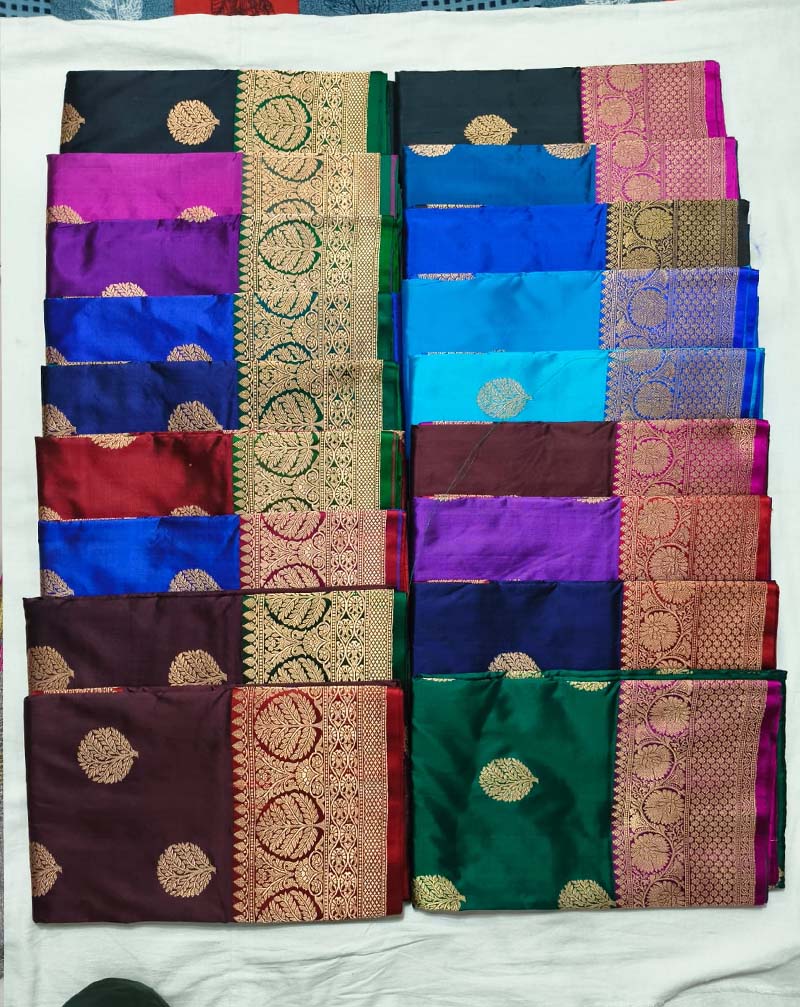
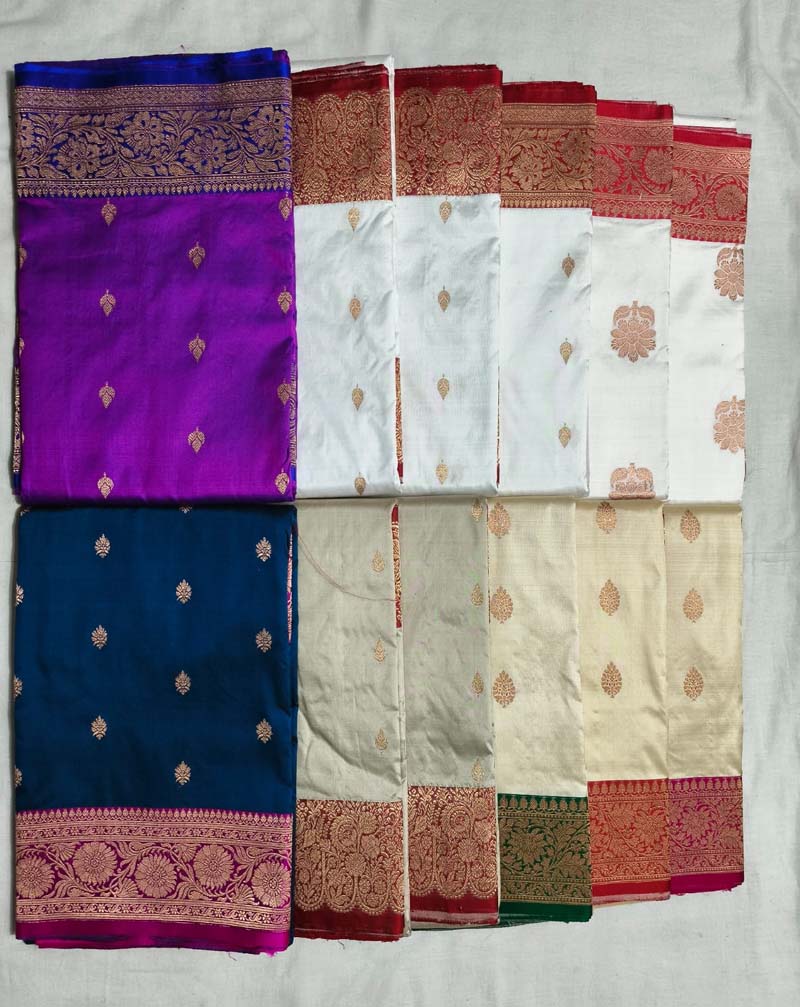
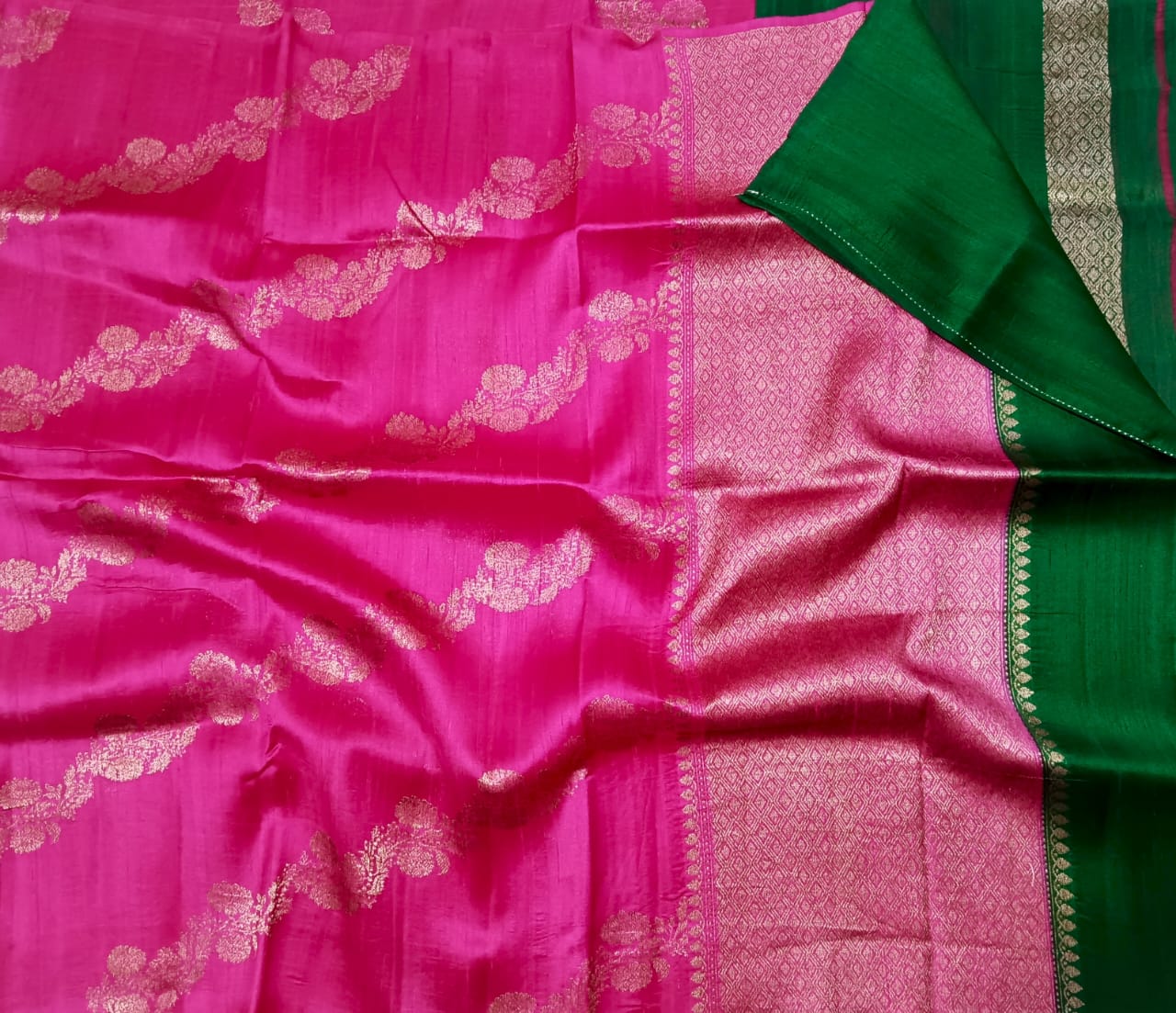
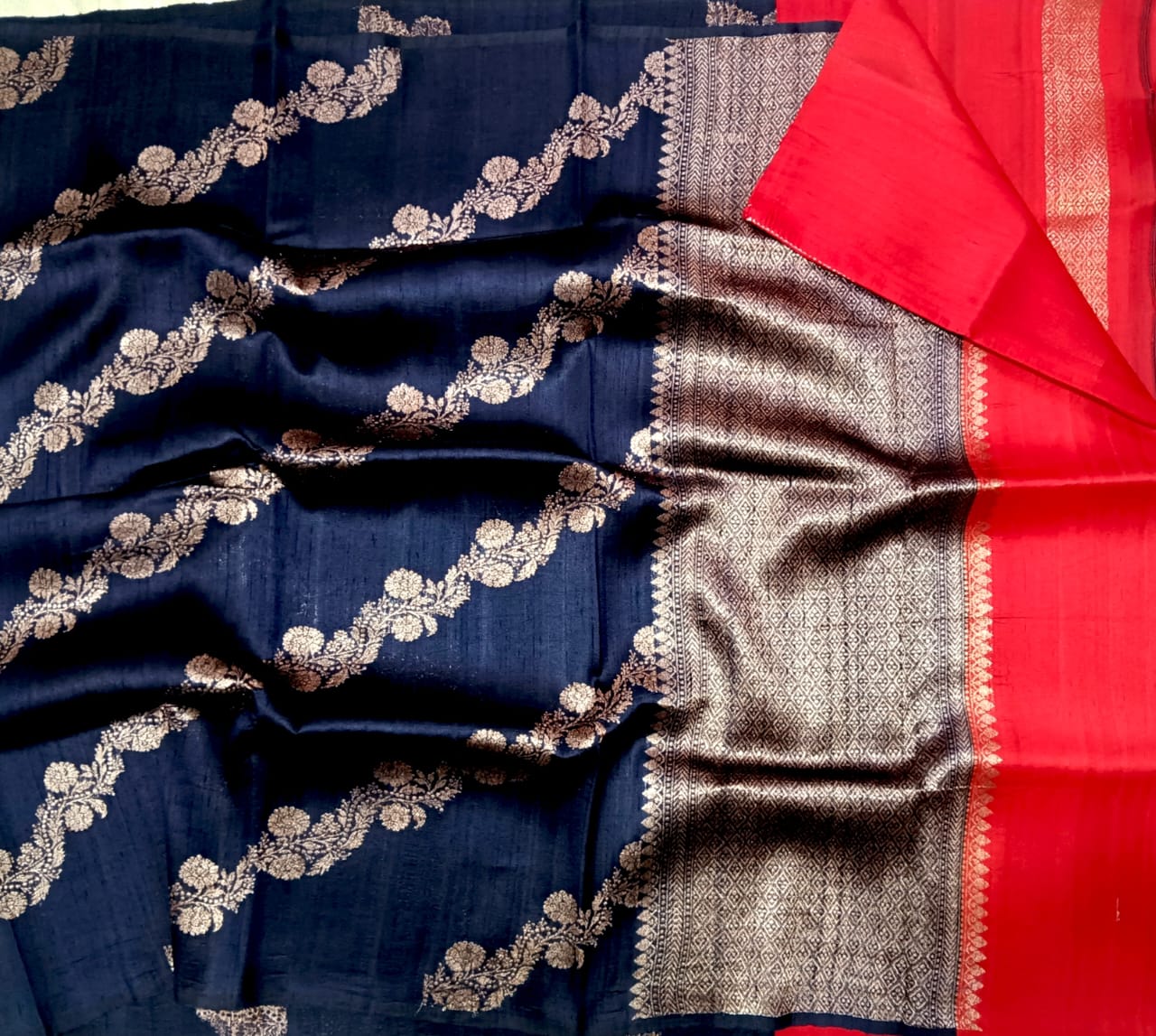
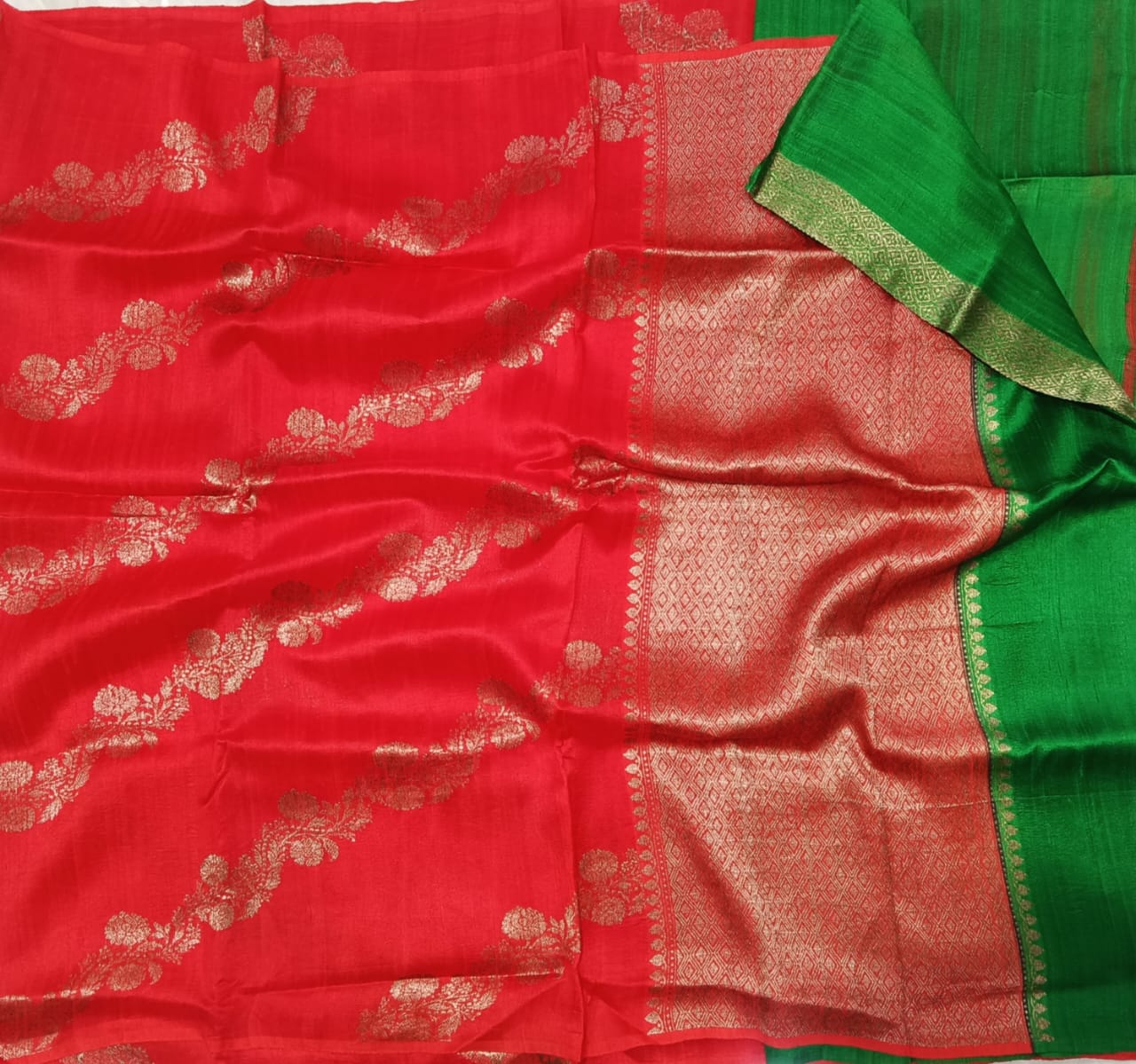
Benarasi cotton suits are a beautiful fusion of everyday comfort and timeless elegance, rooted in the rich weaving heritage of Varanasi. Made from fine cotton, these suits are light, breathable, and ideal for warmer climates—yet they carry the grandeur of traditional Banarasi artistry.
What sets them apart are the intricate zari or resham motifs—like floral jaal, buta, bel, or paisley patterns—handwoven using techniques passed down for generations. Unlike heavier silk Banarasis, these suits are softer and more wearable for daily or semi-formal occasions while still retaining a regal appeal.
Often sold as coordinated sets with a woven kurta piece, dupatta, and plain or lightly woven bottoms, Banarasi cotton suits combine tradition with comfort. They're especially popular during summer festivals, office gatherings, or cultural events—where you want to look graceful without feeling weighed down.
Buy Kalamkari
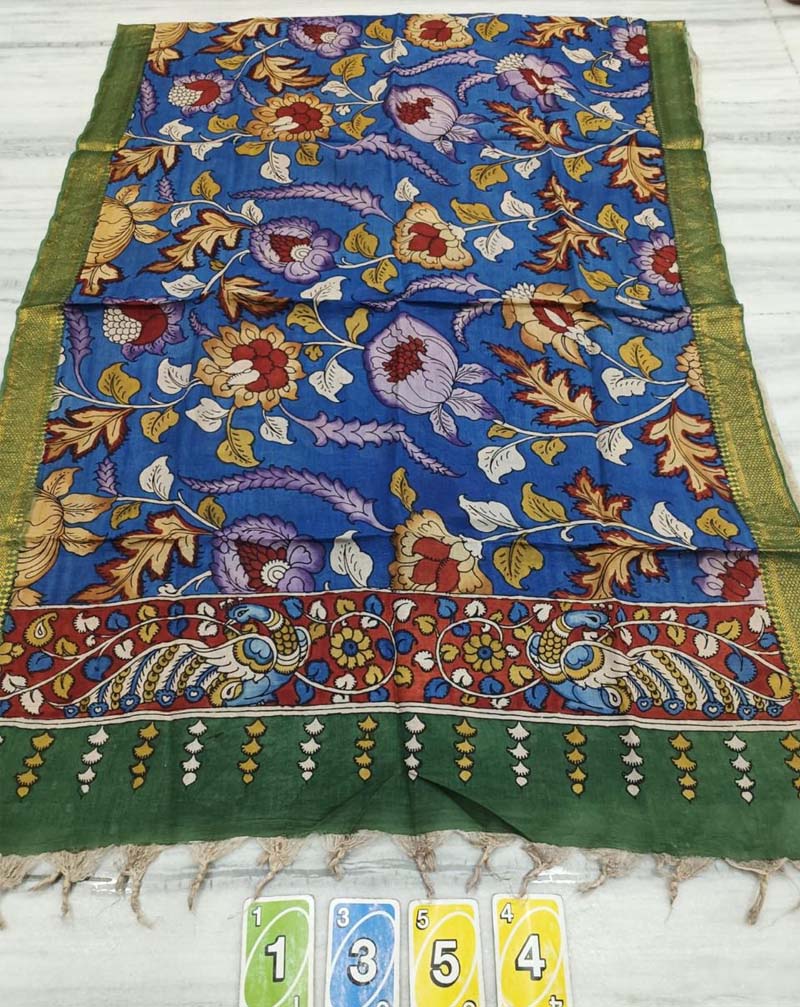
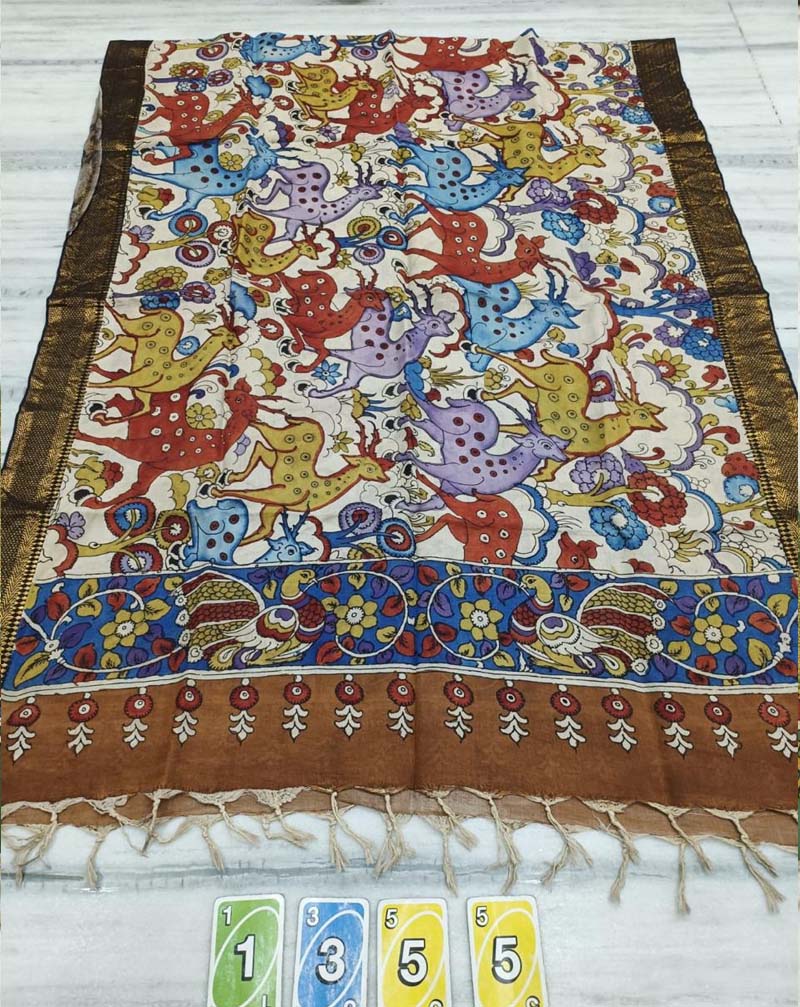
Kalamkari is a traditional Indian textile art form known for its intricate designs and vibrant colors. The word "Kalamkari" is derived from the Persian words "kalam" (pen) and "kari" (craftsmanship), meaning "drawing with a pen." This craft involves hand-painting or block-printing on cotton or silk fabrics using natural dyes. Kalamkari artwork is highly detailed, with motifs inspired by nature, mythology, and religious themes. Traditionally, natural dyes such as indigo, madder, and turmeric are used, making it eco-friendly. The craft has gained international recognition for its artistry and cultural significance, and it is often used for sarees, dupattas, and decorative textiles.
There are two main styles of Kalamkari:
Srikalahasti Style: Originates from the town of Srikalahasti in Andhra Pradesh. It is dominated by freehand drawing using a kalam (pen) made from a bamboo stick and a pen nib. It often features mythological themes, especially stories from Hindu epics like Ramayana and Mahabharata.
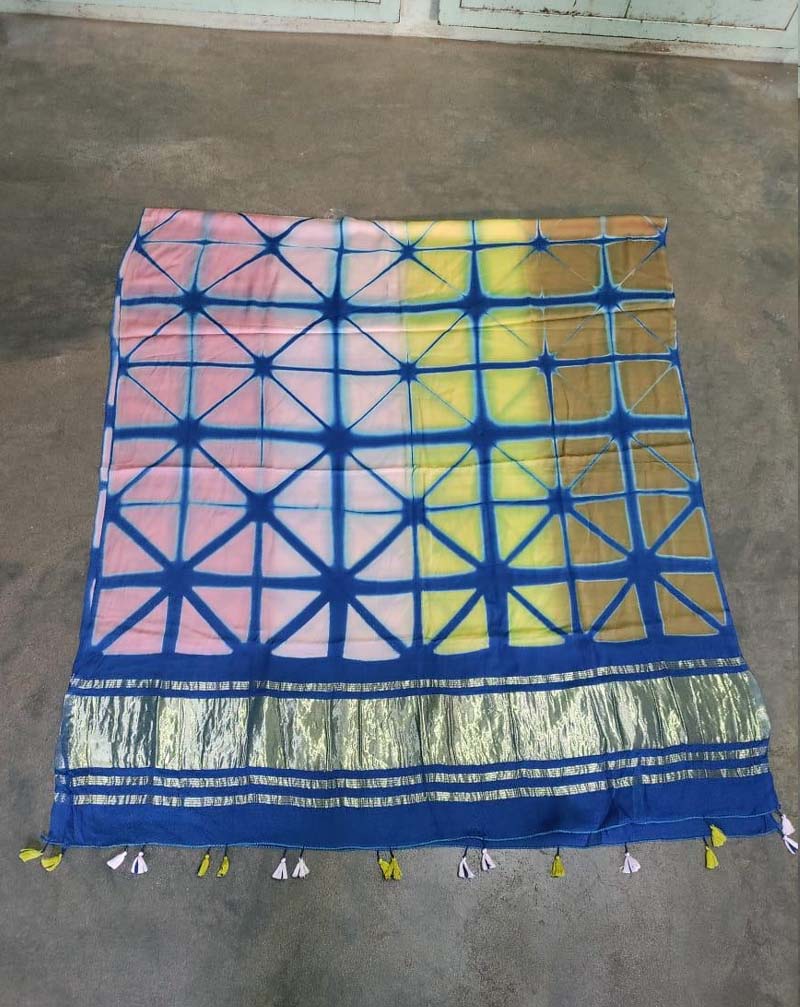
TIE AND DYE - BANDHNI and SHIBORI including CLAMP
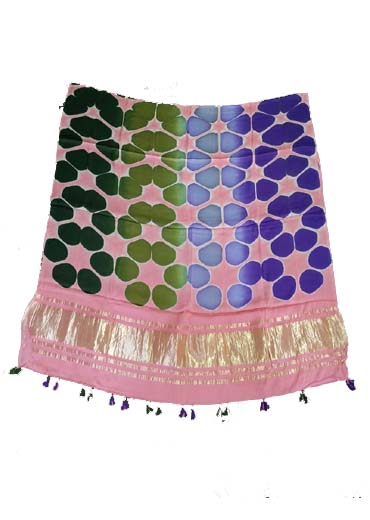
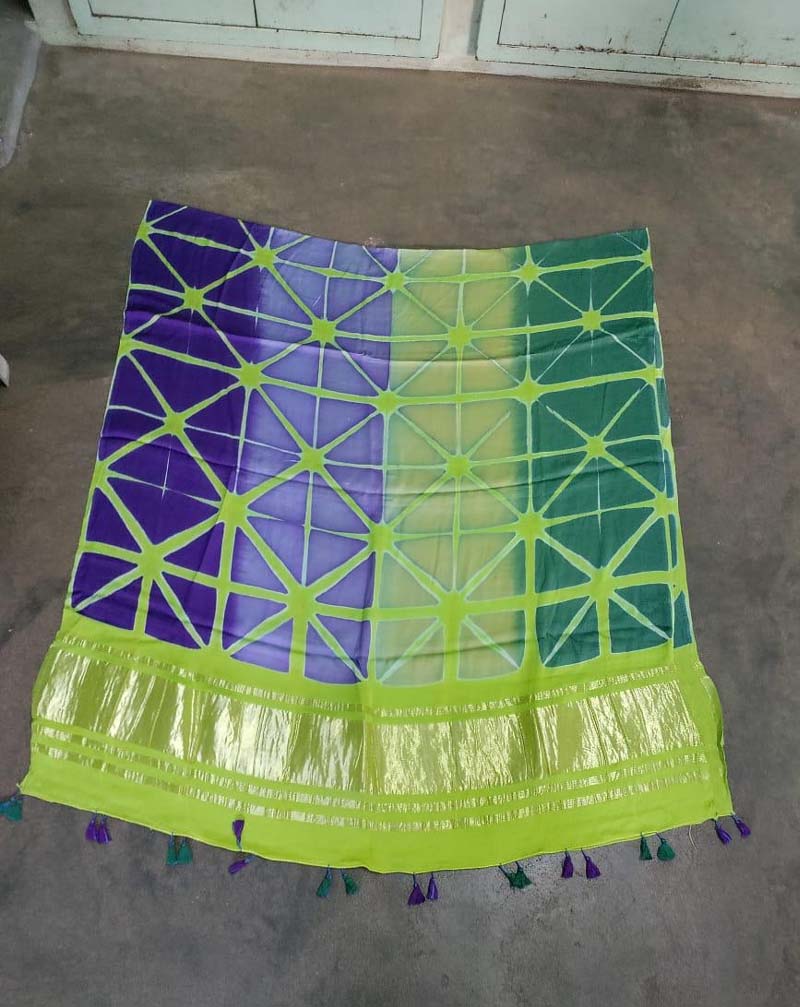
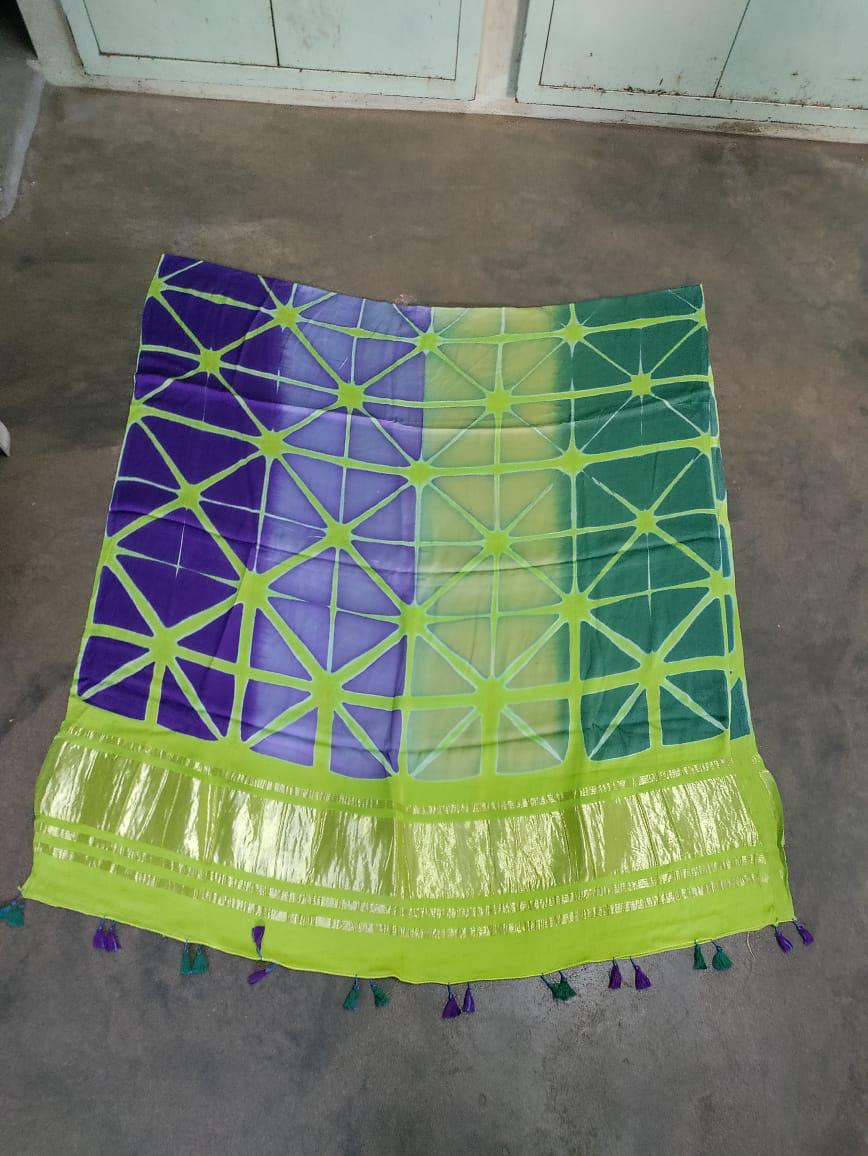
Both techniques use resist methods (tying, folding, or binding) to create intricate patterns in dyeing, but Bandhni is more associated with Indian, brightly colored, and geometric designs, while Shibori is known for its subtle, textured, organic patterns commonly in indigo tones.
Bandhni Dyeing Technique
This technique owes its origin to India, especially Rajasthan and Gujarat. This is a traditional tie-and-dye process where artisans tie small portions of fabric with threads or cords to create resist areas. The fabric is then dipped in dye, and the tied areas resist the color, creating intricate patterns. Multiple tie-dyeing is often used to produce complex, multicolored designs. Known for vibrant, geometric, and floral patterns with sharp, contrasting colors.